The short answer
- Icebergs: generally late May through June.
- Whales and puffins: generally summer, with July and August a common sweet spot.
- Warmest weather and full services: July and August, which is also the busiest and most booked-up period.
- Quieter trails and fall colour: September into early October, with some seasonal services winding down.
Wildlife and ice change from year to year, so treat these as general patterns, not guarantees.
Late spring (May and June)
Late spring is iceberg season. Icebergs drifting south from Greenland are most commonly seen off the north-east coast from around May into June, though some years start earlier or run later. Popular areas include Twillingate in the Central region, the Bonavista Peninsula and the tip of the Great Northern Peninsula. For details, see when to see icebergs.
Puffins and other seabirds start returning to their colonies in spring, and humpback whales begin to arrive later in the season. June can overlap all three, but nothing is assured.
What to expect:
- Cool and changeable weather. Fog is common on the coast, and it can be cold even when the calendar says summer.
- Some seasonal businesses, tours and attractions open in late May or June rather than at the start of spring. Check opening dates before you book.
- Fewer visitors than in July and August.
Summer (July and August)
Summer is peak season, and for good reason. Days are long, the weather is at its warmest, and almost everything is open.
- Whales: The provincial tourism agency says humpbacks return each year between May and September. Many operators describe mid-summer as the peak, though accounts differ.
- Puffins: Seabird colonies, such as those in the Witless Bay Ecological Reserve on the Avalon, are busy through the summer months.
- Hiking: Trails such as the East Coast Trail and those in Gros Morne National Park in the Western region are in their main season.
- Events: Many towns hold summer festivals. In St. John's, the Royal St. John's Regatta on Quidi Vidi Lake is scheduled for the first Wednesday of August, weather permitting.
The trade-offs are crowds and availability. Accommodation, rental cars, boat tours and ferry crossings can fill up in summer, so book well ahead, especially for popular areas such as St. John's, Gros Morne and Fogo Island. Fog still rolls in, particularly along the coast. A warm, waterproof layer belongs in your bag even in August.
Browse boat tours to compare whale and seabird tours, and check each operator's season dates.
Fall (September and October)
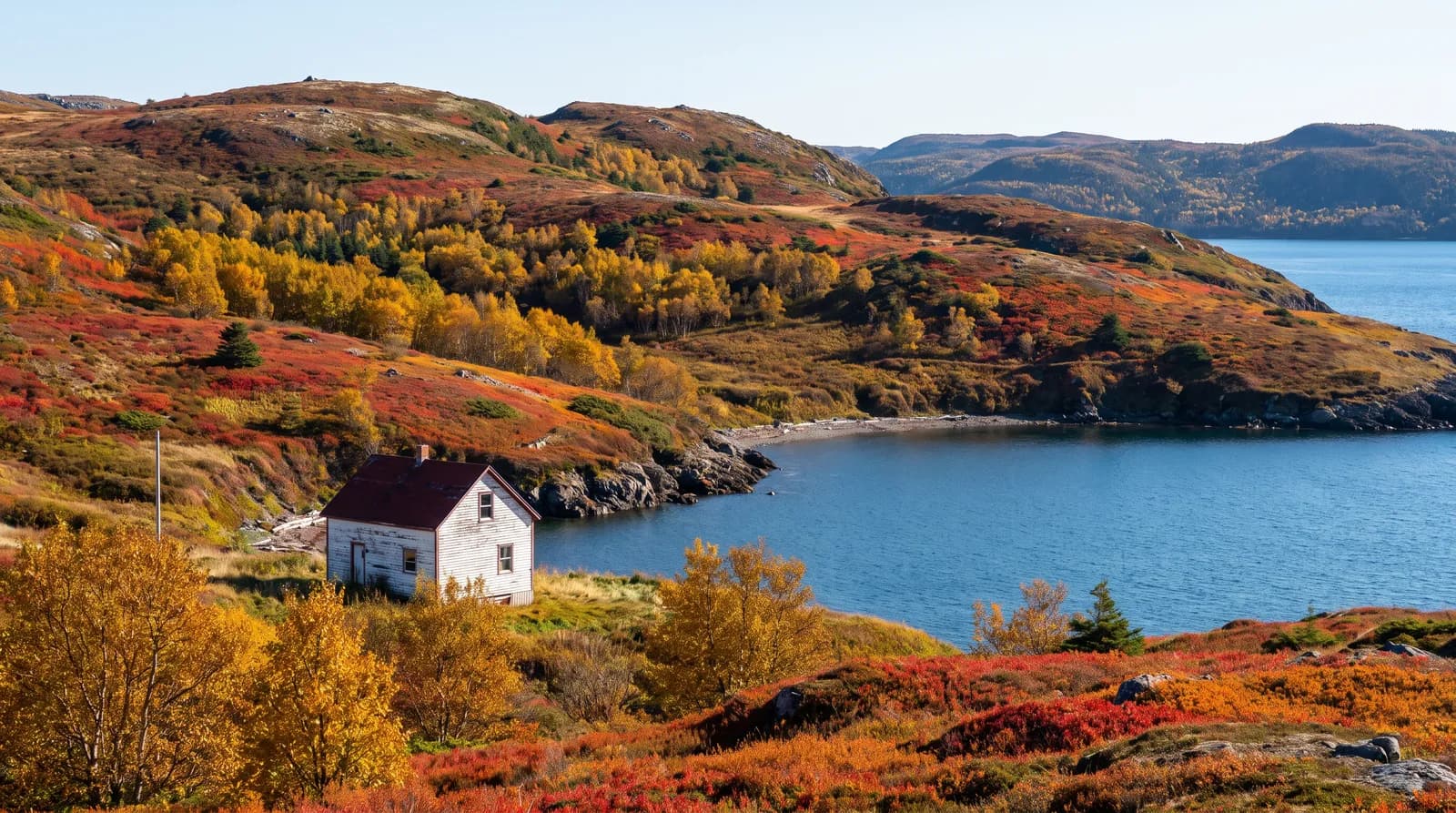
September is a favourite for many repeat visitors. Summer crowds thin out, the weather can still be pleasant, and hiking conditions are often good. Fall colour generally comes in late September and into October, and Gros Morne is a popular place to see it.
Things to know:
- Many seasonal operators, campgrounds and attractions reduce hours or close around Canadian Thanksgiving in mid-October. Some close earlier.
- Whale and seabird activity tails off as the season ends. Ask operators what they have been seeing recently.
- Weather becomes less predictable later in the fall, and snow can arrive at higher elevations earlier than you might expect.
- The East Coast Trail Association stops clearing paths and updating conditions from November to April.
Winter (November to April)
Winter on the island is long, snowy and windy. It is not the season for icebergs, whales or most boat tours, and many seasonal tourism businesses are closed. But it suits travellers who want snow sports or a quiet city break.
- The west coast generally gets more reliable snow, and there is downhill skiing near Corner Brook.
- St. John's restaurants, pubs and museums stay open year-round.
- Winter driving takes care and time. Check NL 511 for road conditions and ferry status, and see renting a car in Newfoundland.
Labrador is a different case. Winter there is serious, and travel should be planned carefully with local operators.
Weather, whatever the season
Newfoundland weather is famously changeable, and conditions on an exposed headland can be very different from those in town a few kilometres away. Coastal fog is common, especially in spring and early summer. Pack layers, a wind- and waterproof jacket and decent footwear in every season, and build a spare day or two into your plans in case a tour is cancelled.
Matching the season to your trip
- Icebergs as the main goal: late May to June, with flexible days to follow the ice.
- Whales, puffins and the warmest weather: July and August, booked early.
- Hiking with fewer people: late June or September.
- Combining everything: late June to early July is a reasonable compromise, with a chance of icebergs, whales and puffins on the same trip, although nothing is guaranteed.
Once you have picked your dates, see getting to Newfoundland for flights and ferries, then browse lodging for places to stay.